The CELPIP Reading section, part by part
What each of the four CELPIP Reading parts tests, where candidates lose time, and a question-first method that keeps you in control of the clock.


⚡ The short version
- Reading is 4 parts, 38 questions, in roughly 55–60 minutes — pace is everything.
- Read the question first, then scan; don't read every passage top to bottom.
- Later parts test argument and tone, not just where a detail sits.
CELPIP Reading is four parts with four different jobs. Treat them all the same way and you'll burn time on the parts that don't need it. Know what each one is really testing and you can spend your minutes where they actually earn marks.
What Reading is testing
The section is 38 questions across 4 parts, in about 55–60 minutes, all on screen. That's a little over a minute per question on average — comfortable if you keep moving, tight if you get stuck re-reading. Pace, not vocabulary, is what trips most people here.
The four parts
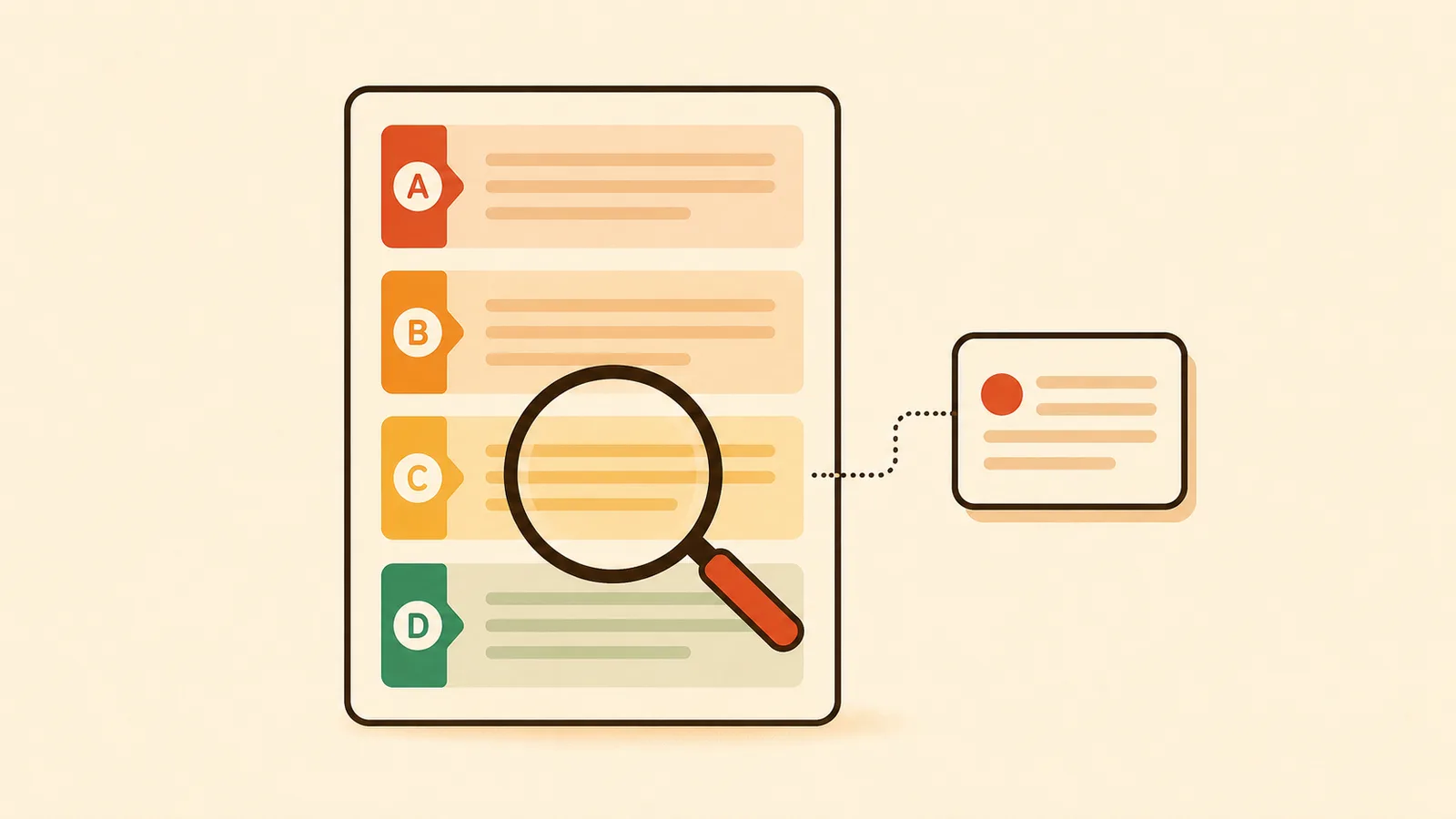
| Part | What it is | Roughly tests |
|---|---|---|
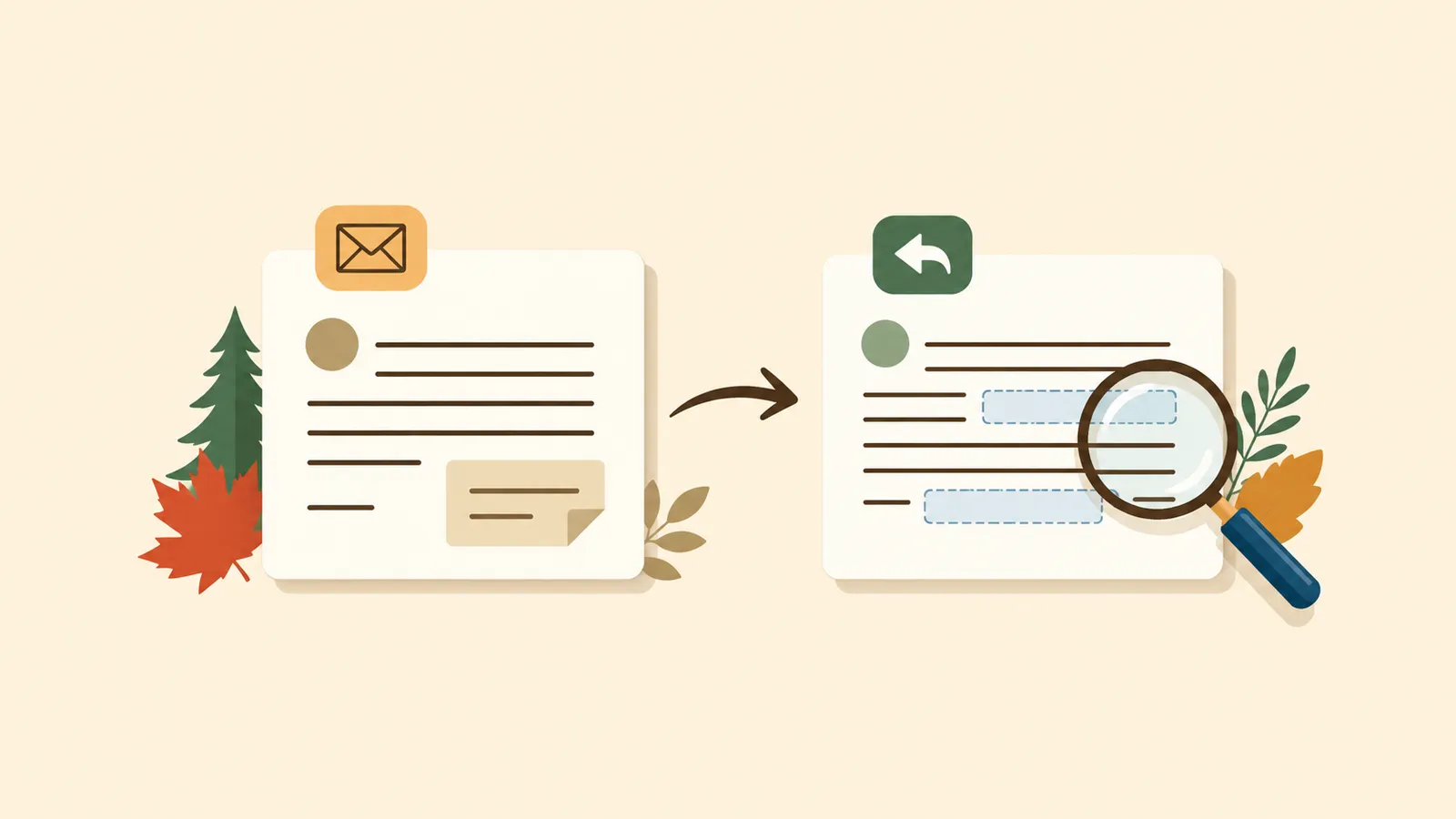
| 1 — Reading Correspondence | A personal message + a reply | Finding specific details |
| 2 — Reading to Apply a Diagram | Match information to a diagram or form | Cross-referencing |
| 3 — Reading for Information | A factual/informational passage | Locating and understanding facts |
| 4 — Reading for Viewpoints | An article plus opinions | Following an argument and tone |
Notice the shift: the early parts reward locating a specific piece of information, while Part 4 rewards following a point of view — a slower, more careful kind of reading. Expecting that shift stops Part 4 from ambushing you.
Where the time disappears
Almost everyone loses time the same way: they read the whole passage from the top, carefully, then look at the questions — and end up reading it twice. On a timed test that's the single most expensive habit you have.
A question-first method
Flip the order:
- Read the question first. Now you know what you're hunting for.
- Scan for it. You rarely need every sentence — you need the one that settles the question in front of you.
- Confirm and move. Resist re-reading "just to be sure" once you've found clear support.
This keeps you in control of the clock instead of the passage controlling you.
Pacing across the parts
Don't let any single question hold you hostage. If one's not coming, make your best read, flag it, and move — a minute lost early is a question you can't reach later. Reading rewards steady forward motion more than perfection on any one item.
The fastest way to make this automatic is reps in the real format — practise CELPIP Reading free, as much as you like, and watch your level move. (For the bigger picture on what those levels mean, see CELPIP levels explained.)